Signs Your Deck Should Be Evaluated
Schedule an evaluation when the deck feels different than it used to—such as new bounce, movement, slope, softness, or looseness—even when the cause is not obvious.
If your deck feels soft, shaky, uneven, rotted, loose, or unsafe, it is worth having the structure reviewed before planning repairs, resurfacing, or replacement. Our team evaluates deck framing, posts, beams, joists, stairs, railings, ledger boards, fasteners, and visible warning signs so homeowners can make a practical next decision.
Clear scope • Practical recommendations • Respect for your home and property
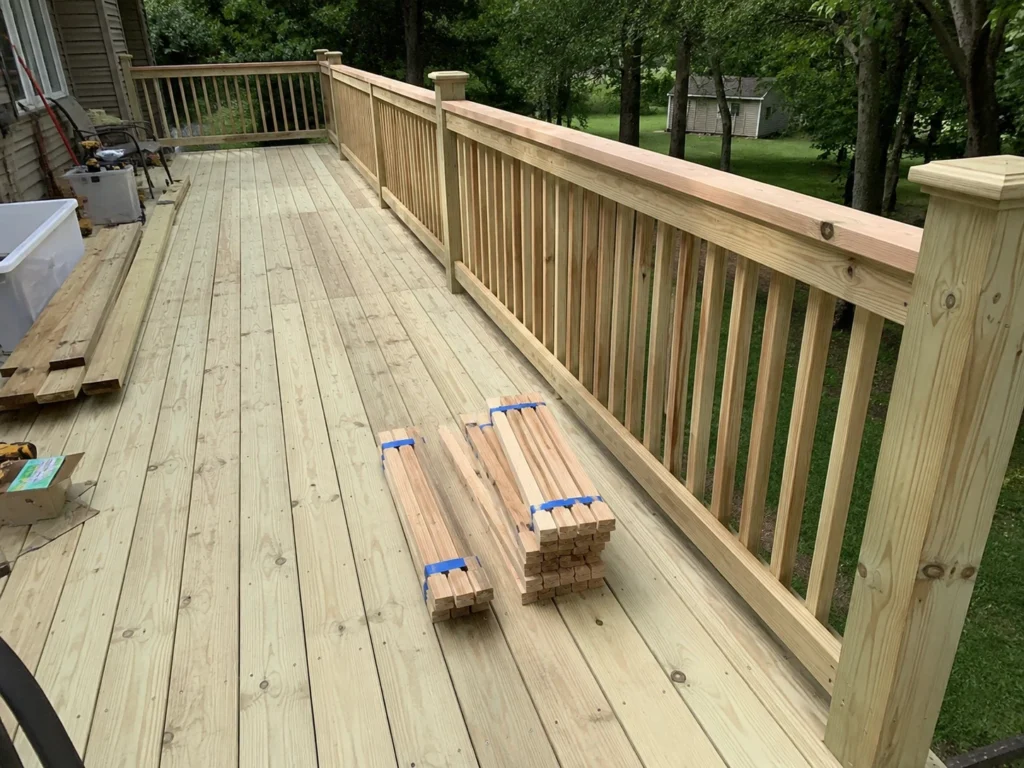
A deck does not have to collapse, lean dramatically, or look destroyed to have safety concerns. Many deck problems start small: one soft area, one loose railing, a stair that moves, a post that looks questionable, a gap near the house, or framing that feels bouncy.
Those small warning signs can be easy to ignore, especially when the deck still looks usable from the top. But the structure underneath matters more than the surface appearance.
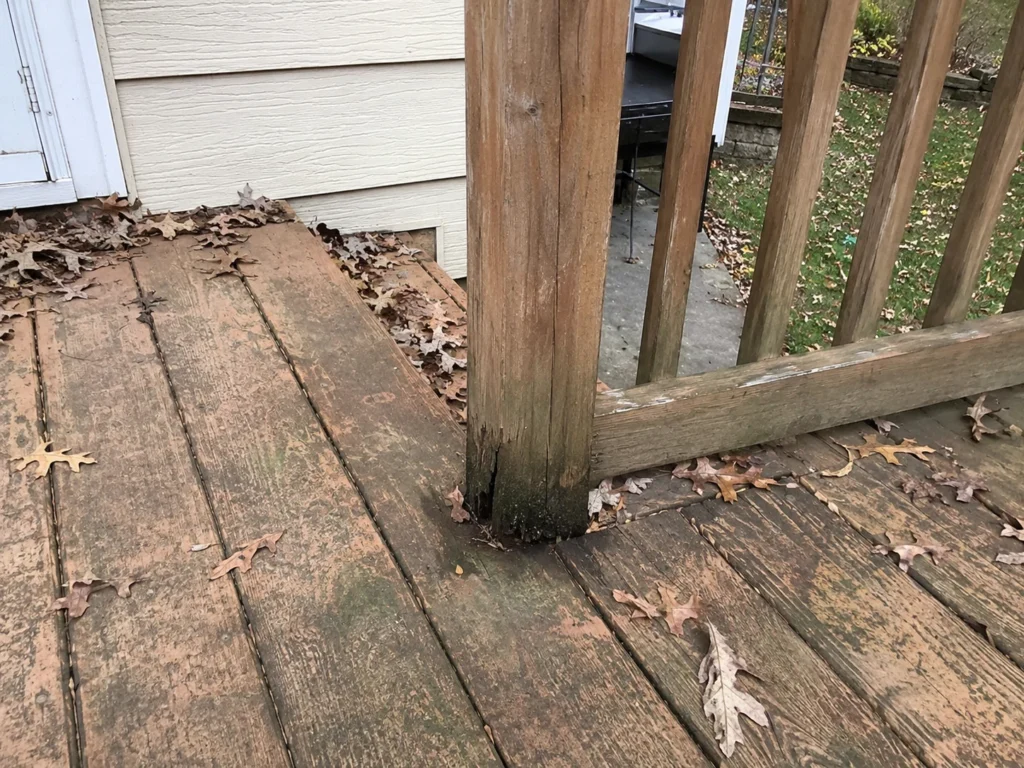
A deck safety evaluation starts with the conditions you can see or feel and follows them into the framing, supports, connections, stairs, and railings.
Schedule an evaluation when the deck feels different than it used to—such as new bounce, movement, slope, softness, or looseness—even when the cause is not obvious.
Surface boards can reveal rot, cracking, cupping, splintering, moisture problems, and areas where the frame underneath may be soft.
Joists support the deck boards. Damaged, undersized, rotted, split, or poorly fastened joists can make the deck feel bouncy or unsafe.
Beams carry larger loads from the deck framing. Sagging, rot, poor connections, or weak beam support can affect the whole deck.
Decks in the Iowa City area are exposed to rain, snow, freeze-thaw cycles, humidity, sun, and seasonal movement. Over time, those conditions can wear down wood, hardware, coatings, and structural connections.
A residential deck safety inspection is a practical visual evaluation of the surface, stairs, railings, framing, supports, ledger area, and signs of moisture or movement.
The goal is to help a homeowner understand which conditions deserve prompt attention, which items can be monitored, and whether the next step is a targeted repair, specialized evaluation, resurfacing, or replacement. It is not an engineering certification, municipal inspection, or code-compliance guarantee.
The evaluation identifies visible conditions and helps clarify the next step. Any repair, resurfacing, specialized structural review, or replacement work can then be scoped separately after the affected components are better understood.
Check movement, damaged components, handrail conditions, landings, and transitions that affect everyday access.
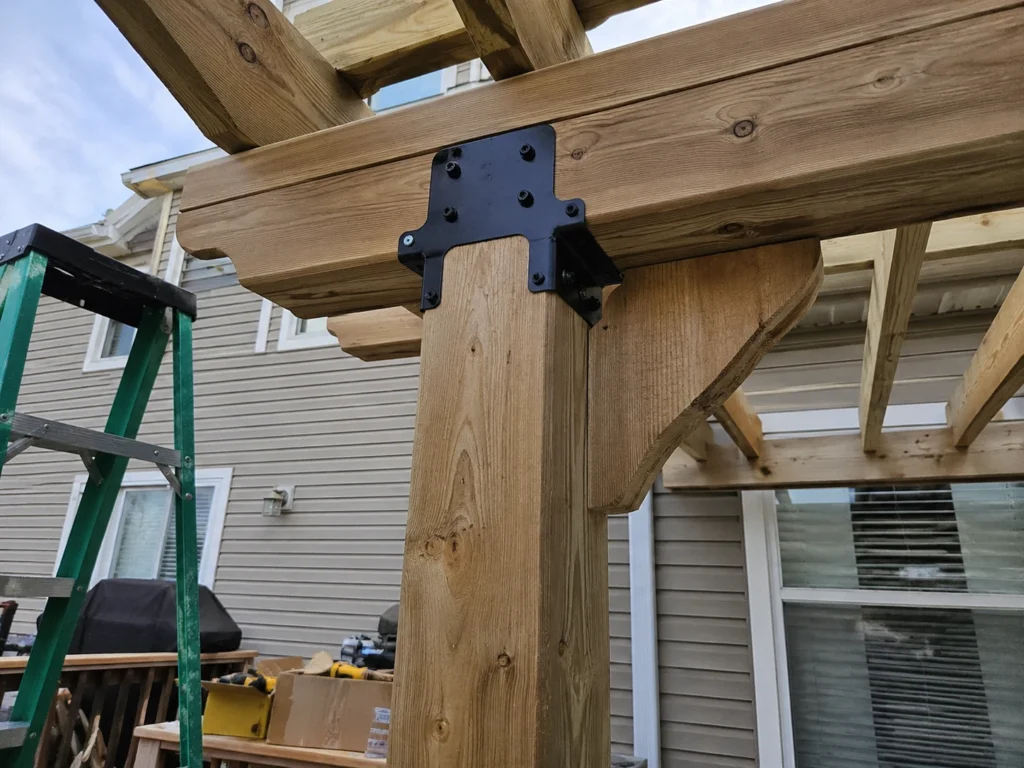
Look for symptoms that may point to joist, beam, post, footing, bracing, or connection concerns.
Review visible gaps, corrosion, water staining, and separation where an attached deck meets the home.
Document soft boards, decay, cracking, trapped debris, drainage issues, and areas that warrant closer repair planning.
Weathered surfaces, movement, soft areas, hardware, and connection details help identify where the deck deserves closer attention.
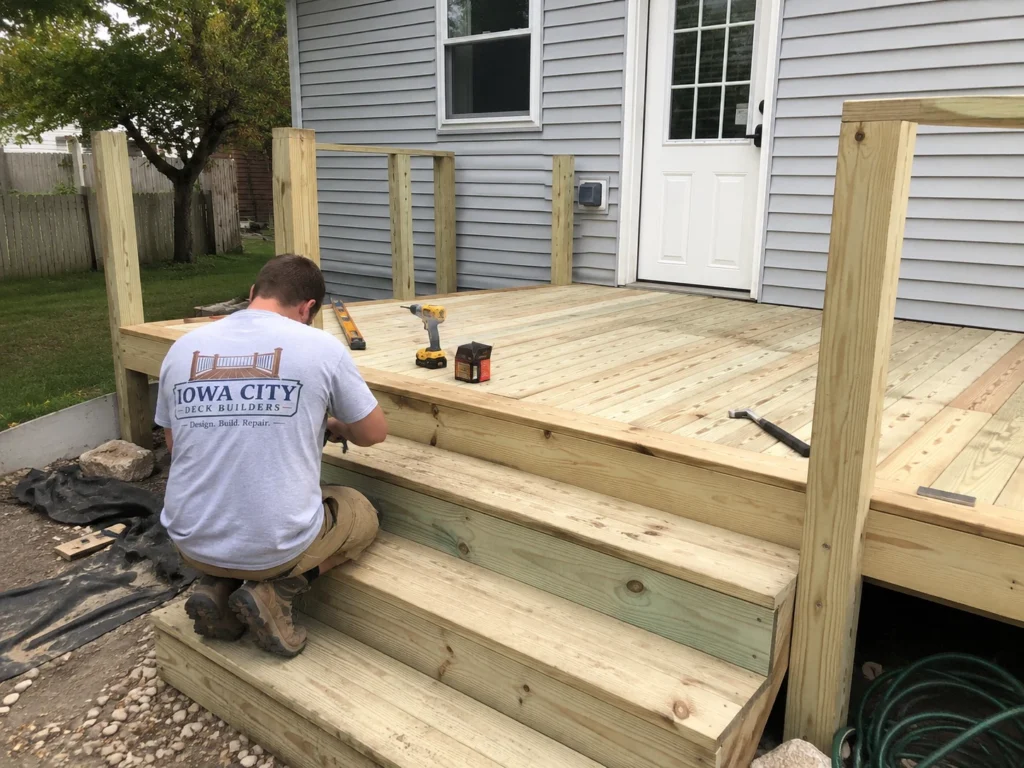
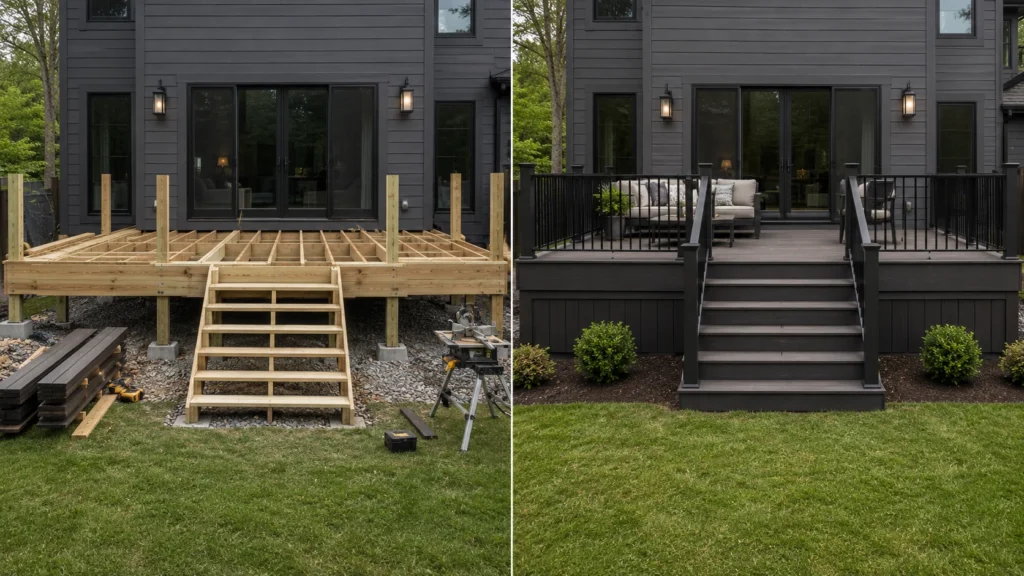
Use our interactive service map to explore approximate coverage for new deck construction, wood decks, composite decks, repair, replacement, resurfacing, stairs, railings, and related deck services throughout the Iowa City area.
We provide deck safety inspections for homeowners in Iowa City and nearby Eastern Iowa communities.
You should consider a deck safety inspection if the deck feels soft, bouncy, sagging, loose, rotted, unstable, or unsafe. It is also smart before resurfacing, before selling a home, after buying a home with an older deck, or after noticing stair, railing, ledger, or framing concerns.
A deck safety evaluation looks at visible concerns such as deck boards, joists, beams, posts, railings, stairs, landings, ledger board areas, hardware, fasteners, rot, sagging, movement, and signs that repair or replacement may be needed.
Yes. A deck can look decent from above while hiding framing, ledger, post, joist, beam, hardware, or stair problems underneath. That is why structure should be reviewed before resurfacing or major cosmetic upgrades.
Yes. Resurfacing only makes sense when the existing frame is sound enough to keep. If the structure is rotted, weak, poorly supported, or unsafe, structural repair or replacement should be considered before new deck boards are installed.
A deck evaluation can help compare the practical options. Depending on the condition, the right answer may be targeted repair, board replacement, stair replacement, railing replacement, structural repair, resurfacing, or full deck replacement.
It can be. Loose railings may be caused by weak posts, damaged blocking, soft deck boards, poor fasteners, or framing problems. Railing movement should be reviewed instead of ignored.
Request an evaluation and avoid heavy use of any area that feels loose, soft, unstable, or separated.